
Ibuprofen Dosage Calculator for Fever & Pain
Ibuprofen Dosage Calculator
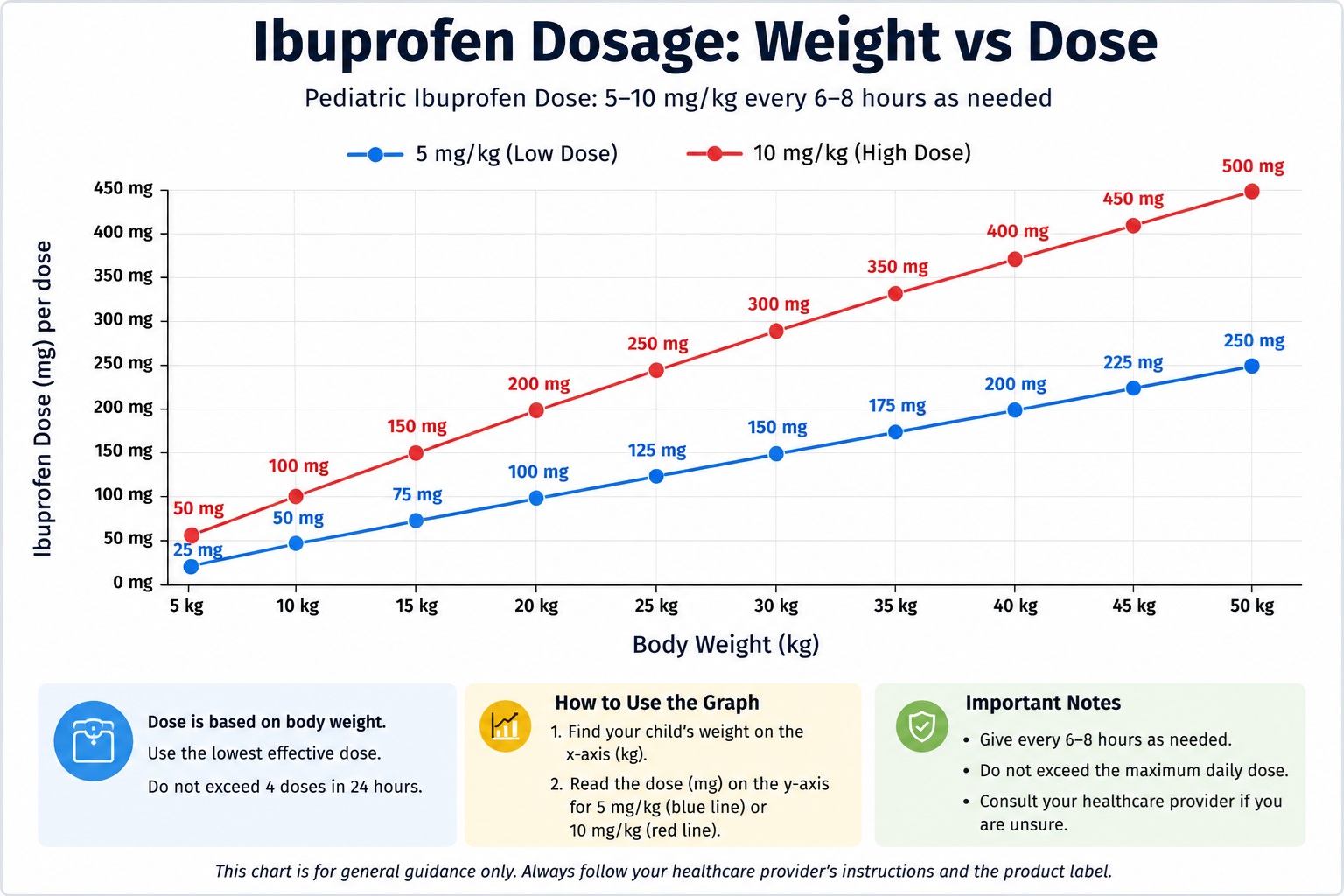
Ibuprofen Dosage Chart, Visual Representation
Content & Medical Review
Content Created By: Adesh Pundir, RPh
Medically Reviewed By: Vo, Tuyen Jenny, RPh
All calculations and medical information on this page have been reviewed for accuracy, safety, and clinical relevance.
Last reviewed: April 2026
Ibuprofen Dose Per Kg Dose Calculation Formula
The standard pediatric ibuprofen dose is calculated using body weight. The most commonly recommended dose is 5–10 mg per kilogram (kg) of body weight every 6–8 hours, depending on the child's symptoms and healthcare provider recommendations.
Formula
Ibuprofen Dose (mg) = Body Weight (kg) × Recommended Dose (mg/kg)
Recommended Dose = 5–10 mg/kg
Example Calculation
A child weighs 20 kg.
- Low dose: 20 × 5 = 100 mg
- High dose: 20 × 10 = 200 mg
Recommended dose range: 100–200 mg every 6–8 hours.
Quick Formula Table
| Body Weight (kg) | 5 mg/kg | 10 mg/kg |
|---|---|---|
| 10 kg | 50 mg | 100 mg |
| 15 kg | 75 mg | 150 mg |
| 20 kg | 100 mg | 200 mg |
| 25 kg | 125 mg | 250 mg |
| 30 kg | 150 mg | 300 mg |
Important Notes
- Usual pediatric dose: 5–10 mg/kg per dose.
- Give every 6–8 hours as needed.
- Do not exceed 4 doses in 24 hours.
- Maximum daily dose should follow the product label or healthcare provider's instructions.
- Use the child's current body weight for the most accurate calculation.
Ibuprofen Max Dose Daily for Pediatrics
- Maximum single dose is 400 mg/dose, and
- Maximum daily dose is 40 mg/kg/day up to 1200 mg/day.
Ibuprofen age appropriate formulations
- Motrin Infant Drops / Suspension 50 mg/1.25 mL (suitable from 6 to 24 months)
- Ibuprofen Oral Children’s Suspension 100 mg/5 mL (suitable from 24 months to 6 years)
- Ibuprofen Chewable tablets 50 mg (suitable from 6 to 11 years)
- Ibuprofen Chewable tablets 100 mg (suitable from 6 to 11 years)
- Ibuprofen Oral tablets 200 mg Advil or Motrin (suitable from 11 years)
Our Popular Calculators
- Adults ADHD Symptoms Test
- Amoxicillin Dose Calculator
- Bi-Est Compounding Calculator
- Tri-Est Compounding Calculator
- BMI Calculator
- Clarks Rule Calculator
- Elemental Iron Calculator
- Ear Drops Day Supply
- Eye Drops Day Supply
- Ibuprofen Dose Calculator
- Insulin Calculator
- Tablet Daily Supply
- Tri-Est Compounding Calculator
- Infant Tylenol Dosage Calculator
What is Ibuprofen and how is it taken?
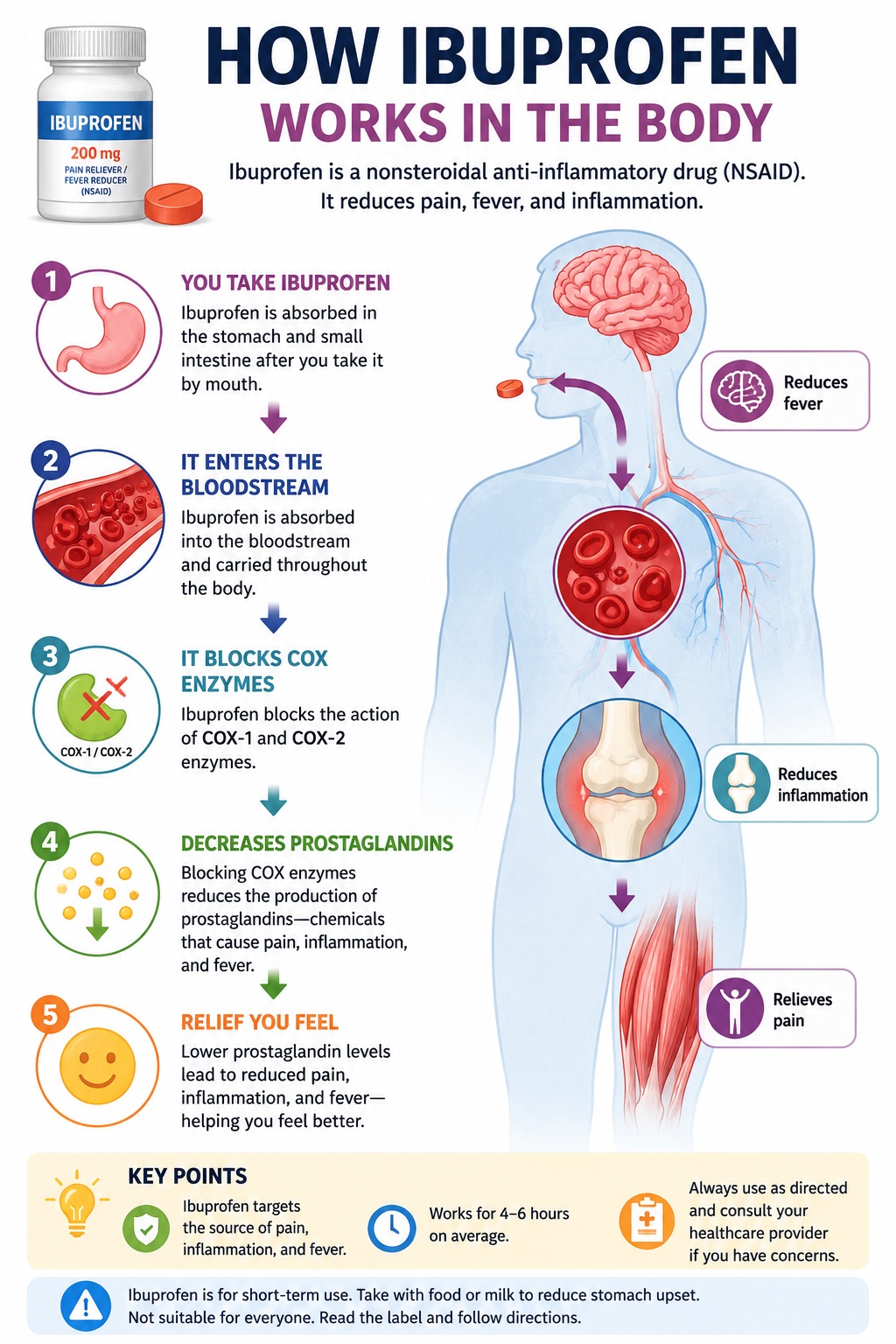
Ibuprofen, a non-steroidal anti-inflammatory drug (NSAID), is utilized for pain relief (e.g., inflammation-related discomfort) and fever reduction. Its administration is suitable for infants aged 6 months and above, with dosage determined by the child’s body weight rather than age. Typically, dosing intervals range from 6 to 8 hours, with a maximum of 3 or 4 doses per day.
Ibuprofen Dosage Chart for Pediatrics?
| Age (years) | Weight (lbs) | Ibuprofen Dosage (mg) |
|---|---|---|
| 6-11 months | 12-17 | 50 mg |
| 12-23 months | 18-23 | 75 mg |
| 2-3 | 24-35 | 100 mg |
| 4-5 | 36-47 | 150 mg |
| 6-8 | 48-59 | 200 mg |
| 9-10 | 60-71 | 250 mg |
| 11 | 72-95 | 300 mg |
| 12+ | 96+ | 400 mg |
Dosage should be administered every 6-8 hours or as needed, but not exceeding 4 doses in 24 hours. Source
Ibuprofen Dosage – Available strengths
Ibuprofen Suspension
- 50mg/1.25ml
- 100mg/5ml
Chewable Ibuprofen Tablets
- Junior Strength Advil 100mg
Ibuprofen Liquid Gel Caplets
- 200mg Cap
Ibuprofen Tablets
- Junior Strength Advil 100mg
- Advil 200 mg Tab
- Ibuprofen 400mg
- Ibuprofen 600mg
- Ibuprofen 800mg
Ibuprofen vs Advil vs Motrin
Here are the differences and similarities between Ibuprofen, Advil, and Motrin
| Characteristics | Ibuprofen | Advil | Motrin |
|---|---|---|---|
| Generic Name | Ibuprofen | Ibuprofen (branded as Advil) | Ibuprofen (branded as Motrin) |
| Classification | Nonsteroidal Anti-Inflammatory Drug (NSAID) | Nonsteroidal Anti-Inflammatory Drug (NSAID) | Nonsteroidal Anti-Inflammatory Drug (NSAID) |
| Brand Name | Various | Advil | Motrin |
| Uses | Pain relief, fever reduction, inflammation | Pain relief, fever reduction, inflammation | Pain relief, fever reduction, inflammation |
| Available Forms | Tablets, capsules, chewable tablets, liquid, topical gel | Tablets, capsules, liquid, gel-coated tablets, topical gel, chewable tablets | Tablets, chewable tablets, suspension, liquid gels |
| Dosage Strengths | Varies | Varies | Varies |
| Common Dosage | Varies based on condition and age | Varies based on condition and age | Varies based on condition and age |
| Dosage Frequency | Every 4-6 hours as needed | Every 4-6 hours as needed | Every 4-6 hours as needed |
| Maximum Daily Dose | Varies based on age and weight | Varies based on age and weight | Varies based on age and weight |
| Onset of Action | Rapid (within 30 minutes) | Rapid (within 30 minutes) | Rapid (within 30 minutes) |
| Duration of Action | 4-6 hours | 4-6 hours | 4-6 hours |
| Side Effects | Upset stomach, nausea, diarrhea, headache | Upset stomach, nausea, diarrhea, headache | Upset stomach, nausea, diarrhea, headache |
| Interactions | May interact with certain medications and increase the risk of side effects | May interact with certain medications and increase the risk of side effects | May interact with certain medications and increase the risk of side effects |
| Pregnancy Category | Category C | Category C | Category C |
| Over-the-Counter | Available | Available | Available |
| Cost | Generally less expensive when purchased as a generic | Brand name may be more expensive than generic | Brand name may be more expensive than generic |
| Manufacturer | Various pharmaceutical companies | Pfizer | Johnson & Johnson |
If you’re unsure whether ibuprofen or acetaminophen is the better choice for your symptoms, read our detailed Ibuprofen vs Acetaminophen comparison. It explains the key differences, recommended uses, potential side effects, and when one medication may be a better option than the other.
Ibuprofen Milligrams to Milliliters (mL) Chart
Liquid ibuprofen is available in different strengths. Use this conversion chart to determine how many milliliters (mL) correspond to a prescribed dose in milligrams (mg). Always verify the concentration printed on the medication bottle before administering a dose.
| Required Dose (mg) | 100 mg / 5 mL | 50 mg / 1.25 mL |
|---|---|---|
| 50 mg | 2.5 mL | 1.25 mL |
| 75 mg | 3.75 mL | 1.9 mL |
| 100 mg | 5 mL | 2.5 mL |
| 150 mg | 7.5 mL | 3.75 mL |
| 200 mg | 10 mL | 5 mL |
How to Convert Ibuprofen mg to mL
Formula:
mL = (Required Dose in mg × Bottle Volume in mL) ÷ Bottle Strength in mg
Example:
A child needs 150 mg of ibuprofen, and the bottle contains 100 mg per 5 mL.
mL = (150 × 5) ÷ 100 = 7.5 mL
Important Tips
- Always measure liquid ibuprofen with an oral dosing syringe or medicine cup.
- Do not assume all liquid ibuprofen products have the same concentration.
- Children's suspension and infant concentrated drops require different volumes for the same dose.
- When in doubt, consult your pharmacist or healthcare provider before administering medication.
Pediatrics Related Queries
Ibuprofen Missed Dose for Pediatrics
If a dose of ibuprofen for your child is missed, it’s important not to double the next dose to make up for it. Instead, administer the missed dose as soon as you remember, unless it’s almost time for the next scheduled dose. In that case, skip the missed dose and continue with the regular dosing schedule. Doubling doses can increase the risk of side effects and complications. If you have any concerns or questions about missed doses, consult your healthcare provider for guidance.
Ibuprofen Storage
Proper storage of ibuprofen is crucial to maintain its effectiveness and safety. Store ibuprofen tablets, liquid, or chewable tablets at room temperature away from moisture and heat. Keep the medication out of reach of children and pets. Avoid storing ibuprofen in the bathroom or kitchen, where moisture and temperature fluctuations may affect its potency. Always check the expiration date before using ibuprofen, and discard any expired medication according to local guidelines.
Ibuprofen Overdose Signs and Symptoms
An ibuprofen overdose can be serious and requires immediate medical attention. Signs and symptoms of ibuprofen overdose may include nausea, vomiting, stomach pain, dizziness, headache, ringing in the ears, blurred vision, rapid breathing, and unconsciousness. In severe cases, overdose can lead to kidney damage, gastrointestinal bleeding, and even coma. If you suspect an ibuprofen overdose, seek medical help or contact a poison control center immediately.
Ibuprofen Side Effects in Pediatrics
While ibuprofen is generally considered safe when used as directed, it may cause side effects in some pediatric patients. Common side effects include upset stomach, nausea, vomiting, diarrhea, headache, dizziness, and drowsiness. In rare cases, ibuprofen may cause allergic reactions such as rash, itching, swelling, or difficulty breathing. If your child experiences any unusual or severe side effects after taking ibuprofen, discontinue use and seek medical advice promptly.
Why is Ibuprofen Given to Kids
Ibuprofen is commonly prescribed or recommended for children to relieve pain and reduce fever associated with various conditions such as headaches, muscle aches, toothaches, sore throat, earaches, and minor injuries. It belongs to a class of medications called nonsteroidal anti-inflammatory drugs (NSAIDs) and works by reducing inflammation and blocking the production of certain chemicals in the body that cause pain and fever.
How Does Ibuprofen Help Kids
Ibuprofen helps kids by reducing pain and fever, which can significantly improve their comfort and well-being during illness or injury. By inhibiting the body’s production of prostaglandins, which are chemicals involved in inflammation and pain signaling, ibuprofen provides relief from discomfort caused by various conditions. Additionally, ibuprofen’s antipyretic properties help lower fever, allowing children to rest and recover more comfortably.
Ibuprofen Max Dose for pediatrics, Teenagers, and Adults
The maximum recommended dose of ibuprofen varies depending on age and weight. For pediatric patients, the maximum dose typically ranges from 10 to 15 milligrams per kilogram of body weight per dose, not to exceed a total of 40 milligrams per kilogram per day.
Teenagers and adults should not exceed 1200 to 3200 milligrams per day, divided into several doses as needed. Exceeding the maximum recommended dose can increase the risk of adverse effects and complications.
When Should Ibuprofen Be Avoided in Kids
Ibuprofen should be avoided or used with caution in certain circumstances in children, including:
- History of gastrointestinal ulcers or bleeding
- Allergic reactions to NSAIDs or aspirin
- Kidney or liver disease
- Blood clotting disorders
- Dehydration
- Use of other medications that may interact with ibuprofen
Ibuprofen is not recommended for infants younger than six months old unless specifically prescribed by a healthcare provider. Always consult a pediatrician before giving ibuprofen to children, especially if they have underlying health conditions or are taking other medications.
FAQs for Real-Time Ibuprofen Searches
Does ibuprofen help with a sore throat?
Yes. Ibuprofen can help relieve a sore throat by reducing pain, inflammation, and fever. It does not treat the underlying cause, such as a viral or bacterial infection, but it can make swallowing and speaking more comfortable while you recover.
Can ibuprofen cause constipation?
Constipation is not a common side effect of ibuprofen, but it can occur in some people. More common digestive side effects include stomach pain, nausea, heartburn, and indigestion. If constipation is severe or persistent, contact your healthcare provider.
Can ibuprofen cause high blood pressure?
Yes. Ibuprofen may increase blood pressure, especially when taken regularly or at higher doses. People with hypertension, heart disease, or kidney disease should use ibuprofen cautiously and follow their healthcare provider's recommendations.
Can ibuprofen cause blood in the stool?
Yes. Ibuprofen can irritate the stomach and intestines and, in some cases, cause bleeding or ulcers. Black, tarry stools or visible blood in the stool require immediate medical evaluation because they may indicate gastrointestinal bleeding.
Does ibuprofen help with swelling?
Yes. Ibuprofen is a nonsteroidal anti-inflammatory drug (NSAID) that helps reduce swelling caused by injuries, arthritis, muscle strains, sprains, dental procedures, and other inflammatory conditions.
Does ibuprofen make you sleepy?
Sleepiness is not a common side effect of ibuprofen. However, some people may experience dizziness, fatigue, or drowsiness. If ibuprofen makes you sleepy or affects your alertness, avoid driving or operating machinery until you know how it affects you.
Does ibuprofen thin your blood?
Ibuprofen is not considered a blood thinner like warfarin or apixaban. However, it temporarily reduces platelet function, which can increase the risk of bleeding, especially when combined with blood-thinning medications.
How often can you take ibuprofen?
Most adults can take ibuprofen every 4 to 6 hours as needed. The exact dosing schedule depends on your age, weight, medical conditions, and the product being used. Always follow the directions on the medication label or your healthcare provider's instructions.
How much ibuprofen is in Advil?
Regular-strength Advil tablets and caplets typically contain 200 mg of ibuprofen each. Other Advil products may contain different strengths or formulations, so always read the product label before use.
What is the maximum dose of ibuprofen in 24 hours?
For adults using over-the-counter ibuprofen, the maximum recommended dose is 1,200 mg in 24 hours unless directed otherwise by a healthcare provider. Under medical supervision, prescription doses may be as high as 3,200 mg per day for certain conditions.
What can I take with ibuprofen?
Depending on your medical condition, ibuprofen can often be taken with acetaminophen because they work differently. However, avoid taking ibuprofen with other NSAIDs such as naproxen or aspirin unless instructed by your healthcare provider. Always check with your pharmacist or healthcare provider before combining medications, especially if you take prescription medicines.
References
- American Academy of Pediatrics (HealthyChildren.org) – Ibuprofen Dosing Table for Fever and Pain
https://www.healthychildren.org - MedlinePlus (U.S. National Library of Medicine) – Ibuprofen Dosing for Children
https://medlineplus.gov - MedlinePlus (U.S. National Library of Medicine) – Ibuprofen Drug Information
https://medlineplus.gov - Mayo Clinic – Ibuprofen (Oral Route): Proper Use and Dosage
https://www.mayoclinic.org - Stanford Medicine Children’s Health – Fever in Children and Safe Medication Use
https://www.stanfordchildrens.org