
Tri-Est Calculator for Estriol (E3) Estradiol (E2) Estrone (E1) Ratio
Triest Ratio Formula
Triest Ratio (E3 : E2 : E1) = Percentage of Estriol : Estradiol : Estrone
The Triest ratio represents the proportion of three estrogens used in bioidentical hormone therapy: Estriol (E3), Estradiol (E2), and Estrone (E1).
A commonly used ratio is 80 : 10 : 10, where Estriol is the dominant component due to its lower potency and safer profile.
⚕️ Tri-Est Compounding Calculator
Estriol (E3) · Estradiol (E2) · Estrone (E1) - precision compounding calculations with flexible Estrogen Ratio
- ⚙️ Enter values and press "Calculate"
- 📐 Ratio must equal 100%
Our Popular Calculators
- Adults ADHD Symptoms Test
- Amoxicillin Dose Calculator
- Bi-Est Compounding Calculator
- Tri-Est Compounding Calculator
- BMI Calculator
- Clarks Rule Calculator
- Elemental Iron Calculator
- Ear Drops Day Supply
- Eye Drops Day Supply
- Ibuprofen Dose Calculator
- Insulin Calculator
- Tablet Daily Supply
- Tri-Est Compounding Calculator
- Infant Tylenol Dosage Calculator
How Our Tri-Est Calculator Works for Compounding Calculations?
Let me walk you through exactly how the calculator does its job. It is designed to take the confusion out of compounding by breaking everything down into simple steps.
Step 1: Enter the Basic Information
You start by filling in three pieces of information.
- First, the tri-est concentration of your stock this is usually written on your base solution as something like “50 mg/mL” and tells you how much total estrogen is packed into each milliliter.
- Second, you enter the total amount or volume to be made that you want to make, say 30 mL for a month’s supply.
- Third, you set your estrogen ratios for example, 80% estriol, 10% estradiol, and 10% estrone. The calculator checks that these three numbers add up to 100% before moving forward.
Step 2: The Calculator Figures Out Total Estrogen Needed
Once you hit calculate, the tool multiplies your concentration by your total volume. If you have 50 mg/mL and want 30 mL, that is 50 times 30, which equals 1,500 milligrams of total estrogen for the entire batch. This is the foundation that everything else builds on.
Step 3: Compounding results – It Splits the Total by Your Ratios
Now the calculator takes that total estrogen amount and divides it according to the percentages you entered. Using three estrogen levels E3, E2, and E1 with 80/10/10 example, it figures out 80% of 1,500 mg for estriol, which comes to 1,200 mg. Then 10% for estradiol gives you 150 mg, and another 10% for estrone gives you another 150 mg.
Step 4: Step by Step Calculation and Formulas
The results appear in a separate column. You will see exactly how many milligrams of each estrogen you need to measure out. No guessing, no complicated math on your end.
Right alongside the results, the calculator displays a step-by-step breakdown showing every formula it used. You can follow along and see exactly where each number came from. This way you are not just getting an answer you are learning the process and can verify everything yourself.
What Is Tri-Est?
Tri-Est is short for triple estrogen, and it is a custom-compounded hormone preparation that combines all three natural estrogens—estriol, estradiol, and estrone, into one formula. Unlike mass-produced hormone pills that usually contain just one type of estrogen, Tri-Est aims to more closely mirror what a woman’s ovaries produce naturally. The idea is that using all three estrogens together may provide a more balanced effect that feels gentler on the body.
Doctors typically prescribe Tri-Est for women going through menopause who want bio-identical hormone therapy. Bio-identical means the hormones are chemically identical to what the human body makes, rather than being synthetic or derived from horse urine. Because Tri-Est is compounded, the ratios can be adjusted to fit each woman’s unique needs and symptoms. Some women find this personalized approach works better for them than standard one-size-fits-all options. Tri-Est can be made into creams, capsules, or even injections depending on what the patient and doctor decide together.
What Is Estrogen and What Does It Do?
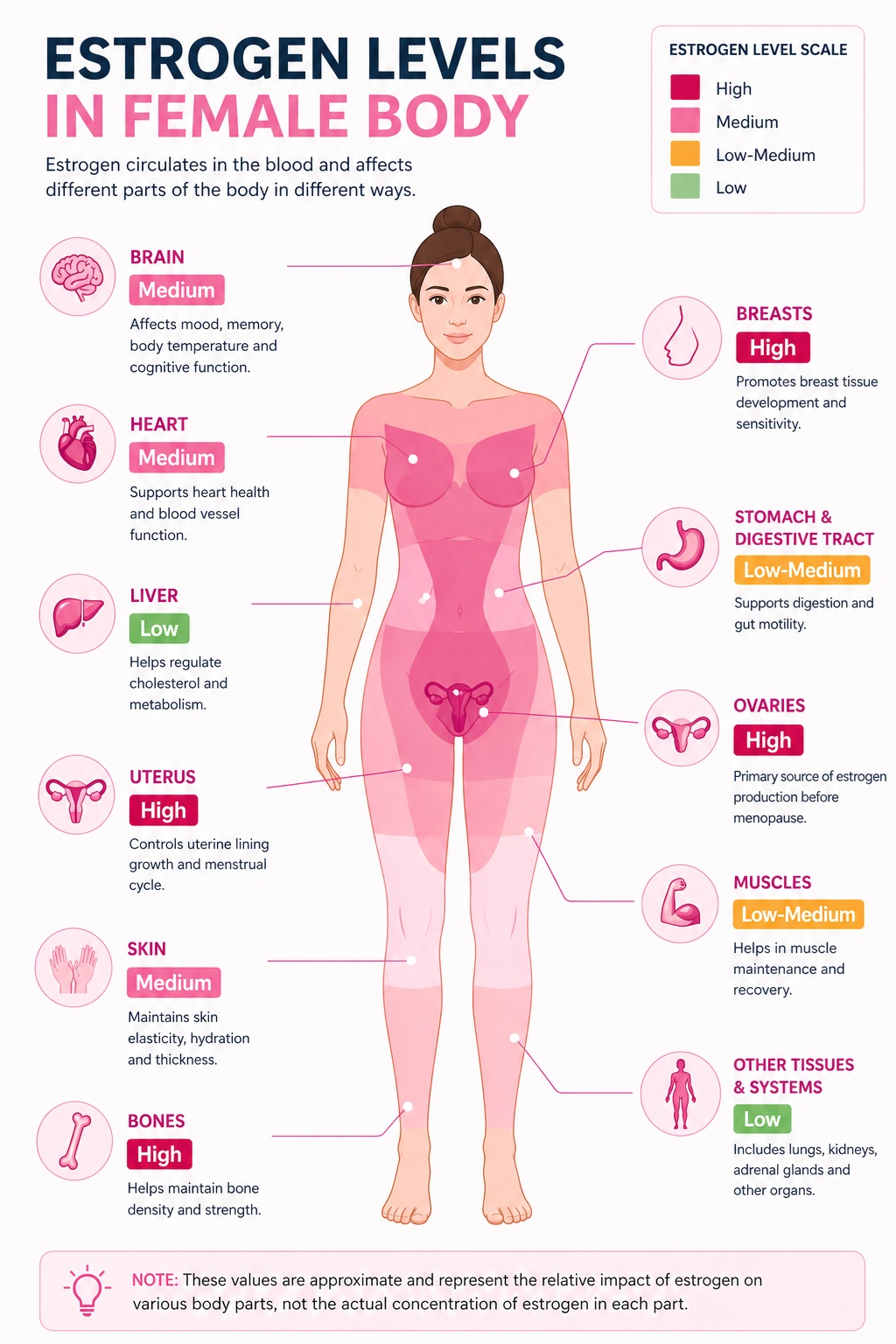
Estrogen is one of the key hormones that keeps the human body running smoothly. Think of it as a chemical messenger that travels through your bloodstream and tells different parts of your body what to do. It is often called a female hormone because women have higher amounts, but men produce it too just in smaller quantities.
So what does estrogen actually do?
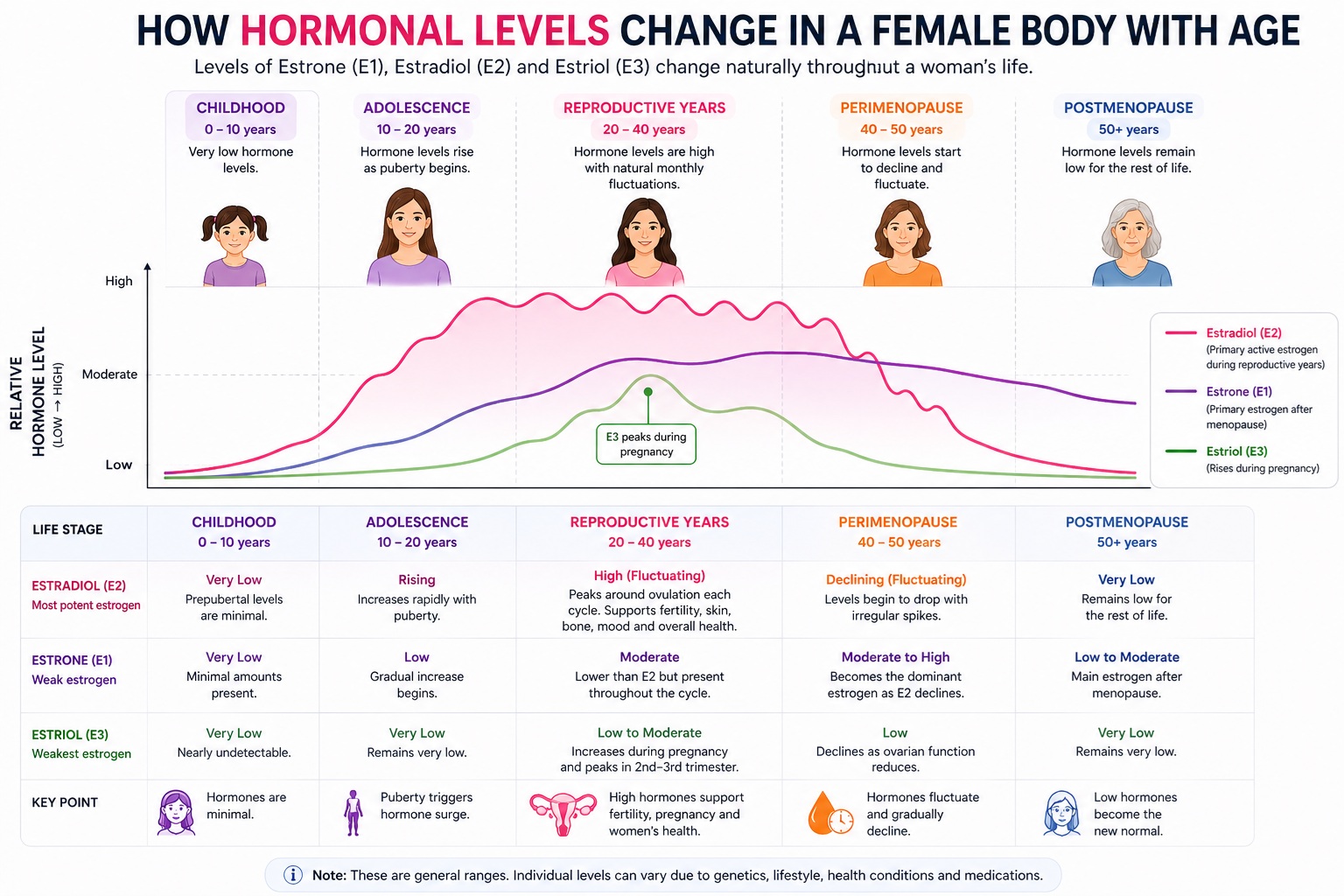
Quite a lot, honestly. It regulates the menstrual cycle and prepares the body for pregnancy. It helps keep bones strong by slowing down the natural breakdown of bone tissue. It also affects your skin’s thickness and moisture, helps maintain healthy cholesterol levels, and even plays a role in mood and brain function. When estrogen levels drop during menopause, women often experience hot flashes, night sweats, and trouble sleeping because their bodies are adjusting to having less of this important hormone. That is why some women choose hormone therapy in order to help their bodies feel more balanced again.
What Are the Three Main Types of Estrogen?
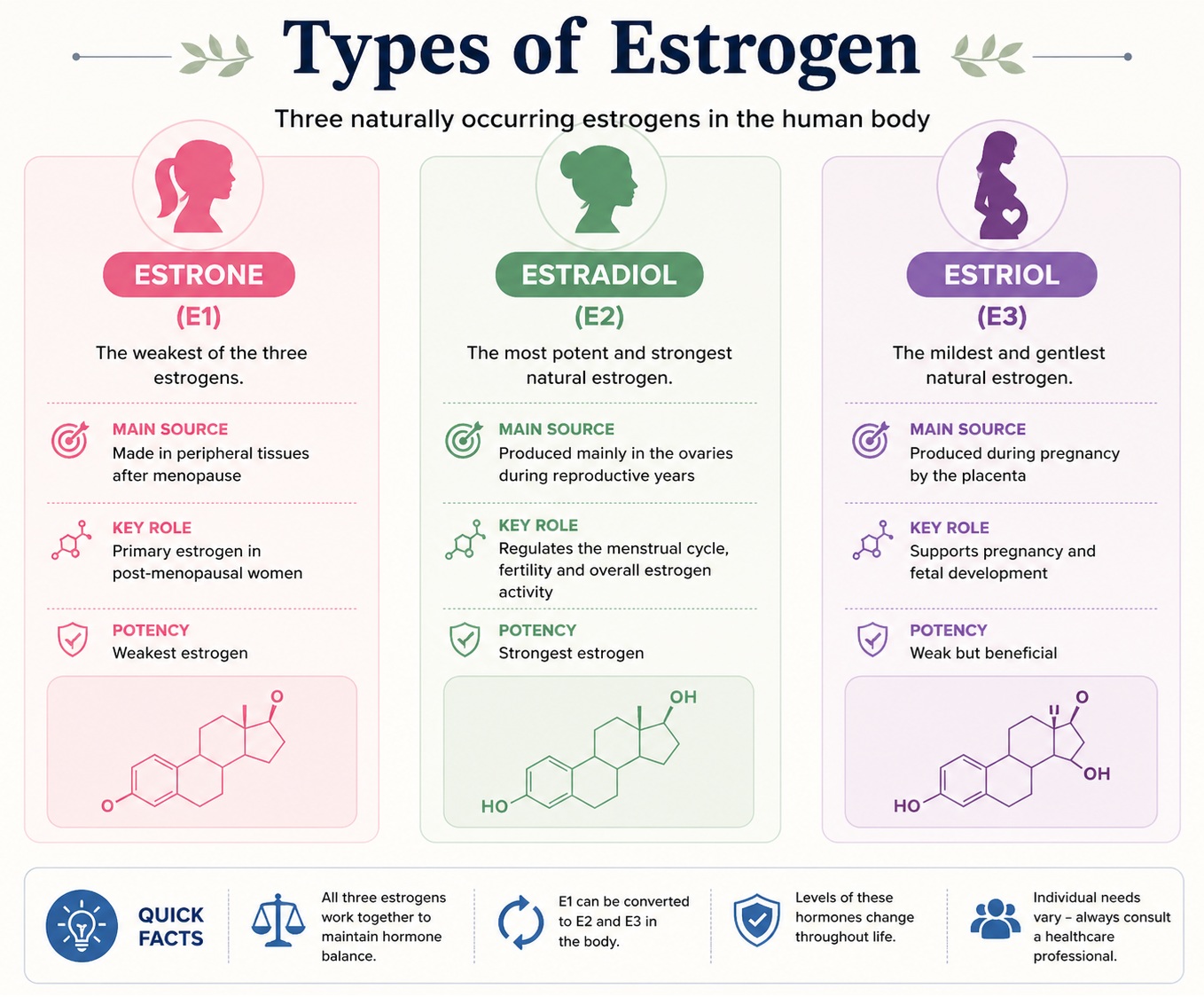
The human body makes three distinct types of estrogen, and each one has its own personality and job. They are often referred to by their abbreviations: E1, E2, and E3.
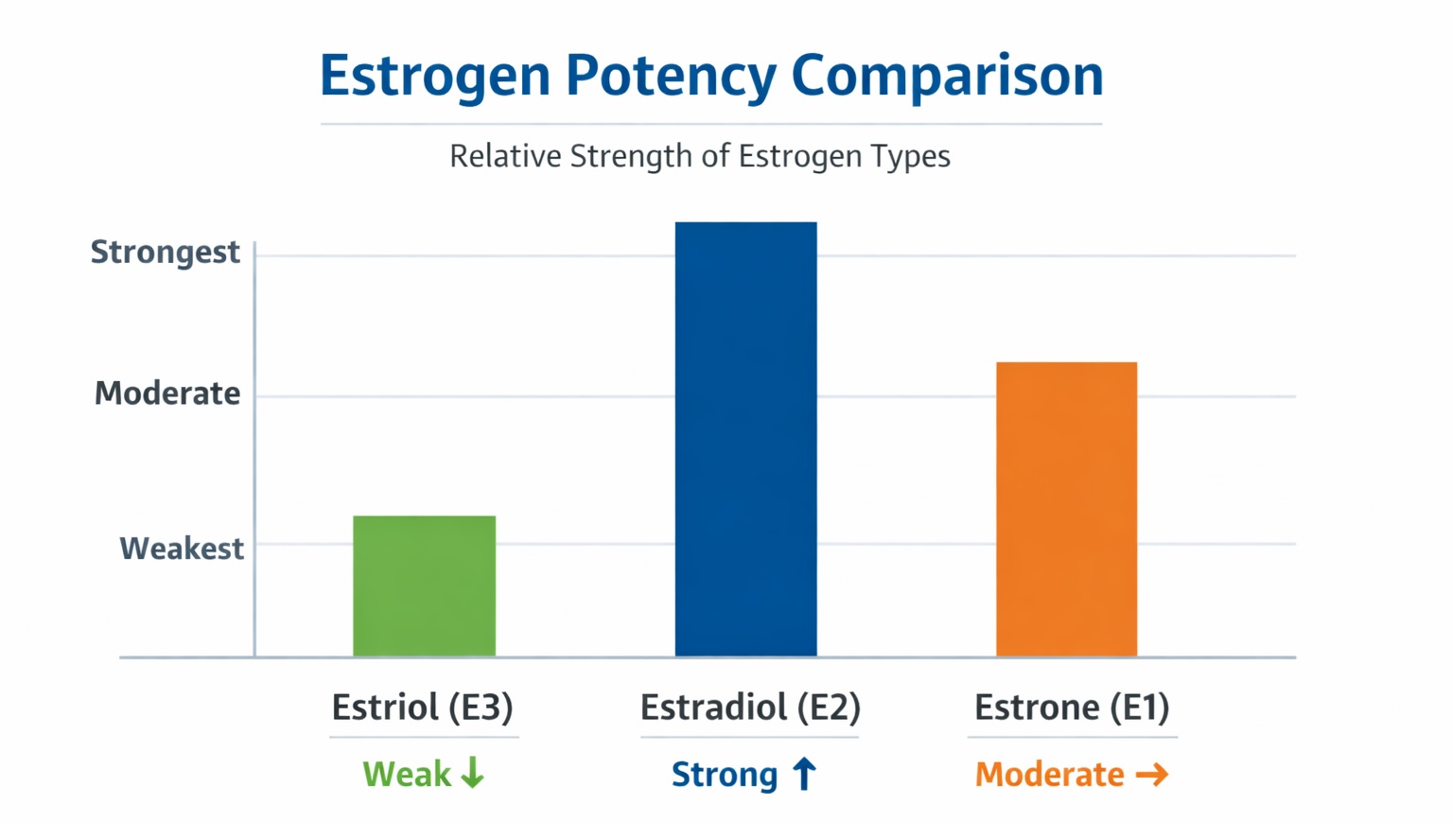
- Estradiol (E2) is the strongest and most active of the three. It is the dominant estrogen during a woman’s reproductive years and handles most of the heavy lifting when it comes to regulating the menstrual cycle and maintaining bone density.
- Estrone (E1) becomes the primary estrogen after menopause. It is weaker than estradiol and is produced mainly in fat tissue, which is why body weight can influence estrogen levels later in life.
- Estriol (E3) is the gentlest of the trio. It rises significantly during pregnancy and is thought to have a milder, more protective effect on tissues. Some believe estriol helps balance out the stronger effects of estradiol, which is why compounded formulas often include all three to mimic what the body naturally produces.
Tri-Est Hormone Comparison: E3 vs E2 vs E1
| Hormone | Strength | Function | Risk Level |
| Estriol (E3) | Weak | Protective | Low |
| Estradiol (E2) | Strong | Primary estrogen | Higher |
| Estrone (E1) | Moderate | Postmenopause | Medium |
Most Common Tri-Est Formulations or Ratios
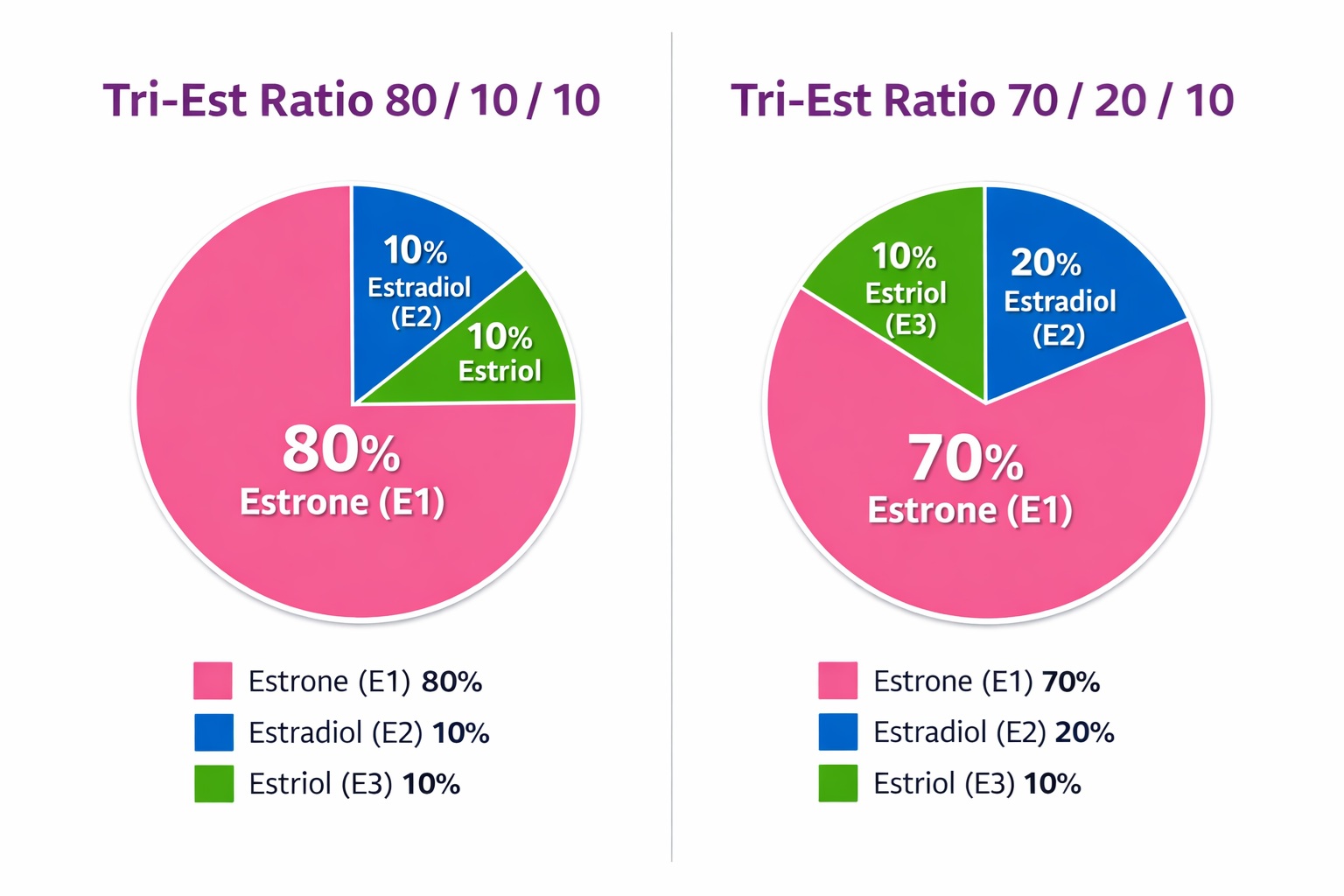
The most common and widely recognized Tri-Est formulation is in 80/10/10 ratio. That means 80 percent estriol, 10 percent estradiol, and 10 percent estrone. This combination became popular because it rely heavily on estriol, which is the mildest of the three estrogens, while including smaller amounts of the more potent estradiol and estrone to provide therapeutic benefit. Many compounding pharmacists consider this the standard starting point when a doctor prescribes triple estrogen therapy or you can say this is the default ratio. Some providers also recommend 70/20/10 ratio for tri-est formulations.
Another common variation is Bi-Est, which uses only two estrogens typically 80 percent estriol and 20 percent estradiol and leaves out estrone altogether. Some practitioners prefer Bi-Est because they feel estrone is less necessary or because they want to simplify the formula. The ratios are not set in stone, though. Providers can adjust the percentages based on a patient’s symptoms, hormone levels, and how they respond to treatment. This flexibility is one of the main reasons people turn to compounded hormones.
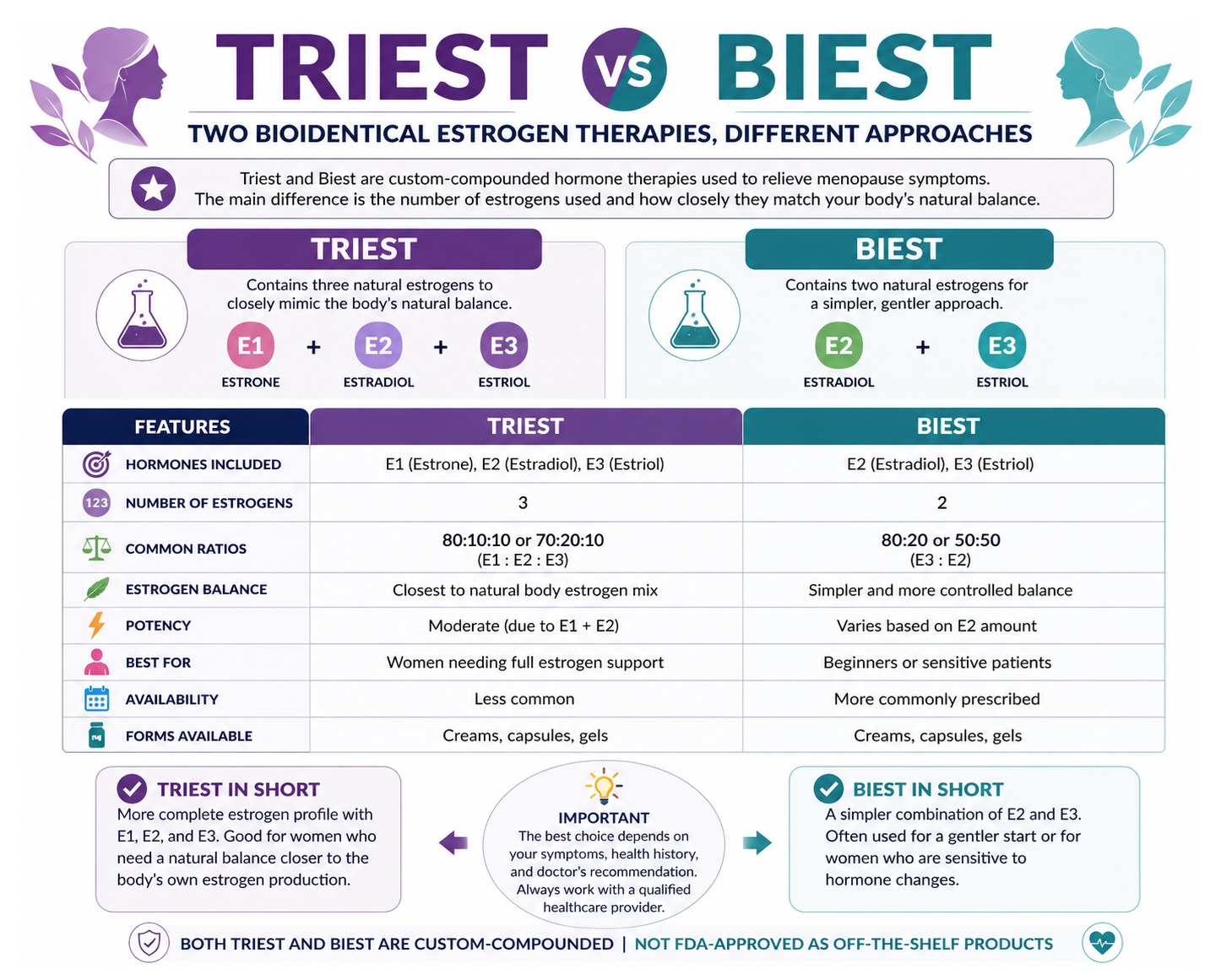
Triest vs Biest: What’s the Difference?
Triest and Biest are types of bioidentical hormone therapy (BHT) used to treat menopause symptoms. The main difference is the number of estrogens used.
- Biest contains two hormones: Estriol (E3) and Estradiol (E2).
- Triest includes three hormones: Estriol (E3), Estradiol (E2), and Estrone (E1).
Biest is more common and is often chosen for a gentler estrogen effect, especially in beginners. A popular formula is Biest 80:20, where Estriol is higher than Estradiol. On the other hand, Triest tries to copy the body’s natural estrogen balance more closely by adding Estrone. This may be helpful for some women who need broader hormone support.
Both therapies are custom compounded and come in creams, capsules, or gels. The best choice depends on symptoms, health history, and doctor advice.
Triest vs Biest Comparison Table
| Feature | Triest | Biest |
| Hormones Included | E1 (Estrone), E2 (Estradiol), E3 (Estriol) | E2 (Estradiol), E3 (Estriol) |
| Number of Estrogens | 3 | 2 |
| Common Ratios | 80:10:10 or 70:20:10 | 80:20 or 50:50 |
| Estrogen Balance | Closest to natural body mix | Simpler and more controlled |
| Potency | Moderate (due to E1 + E2) | Varies based on E2 amount |
| Best For | Women needing full estrogen support | Beginners or sensitive patients |
| Availability | Less common | More commonly prescribed |
| Forms | Creams, capsules, gels | Creams, capsules, gels |
Tri-Est Cream
Tri-Est cream is one of the most popular ways to take triple estrogen therapy because it is simple, comfortable, and easy to adjust. The cream is usually made by a compounding pharmacy based on a doctor’s prescription that specifies the exact ratio of estrogens and the strength per gram or milliliter. Patients typically apply the cream to thin-skinned areas like the inner arm, thigh, or abdomen, and the hormones absorb directly through the skin into the bloodstream.
Tri-Est Cream Benefits
One advantage of the cream form is that it bypasses the digestive system and liver. When hormones are swallowed as pills, the liver breaks down a significant portion before they ever reach the rest of the body. With a cream, more of the active hormone stays available, which often means a lower dose can be just as effective. The cream also allows for easy dose adjustments. Many women prefer this method because it feels more natural and fits easily into their daily routine.
Tri-Est & Estrogen Therapy | Frequently Asked Questions
What is Tri-Est used for?
Tri-Est is a mix of three estrogens used to help with menopause symptoms like hot flashes and night sweats. It's made by special pharmacies to try to get the benefits of all three types. Doctors sometimes prescribe it when women want a more "natural" option, but it's not an FDA-approved drug like regular prescriptions.
What is the safest estrogen?
Most doctors say body-identical estradiol that goes through your skin is safest. This means using a patch, gel, or spray instead of a pill. When estrogen is absorbed through skin, it has lower risk of blood clots compared to pills. The estradiol in these products matches what your body naturally made before menopause.
What ratio is best for menopause?
Tri-Est formulas usually use a ratio of 10% estradiol, 10% estrone, and 80% estriol. Some doctors prefer Bi-Est which is 20% estradiol and 80% estriol. The estradiol is the strong part that actually helps with hot flashes, while estriol is much weaker. There's no perfect ratio that works for everyone.
Is estriol safer than estradiol?
Estriol is weaker than estradiol, but that doesn't automatically make it safer. It works well for vaginal dryness and urinary problems when used locally. But estriol can still stimulate breast and uterine tissue like other estrogens. Some people thought it might prevent breast cancer, but studies haven't proven this.
Medically Reviewed By
Adesh Pundir, RPh – Licensed Pharmacist since 2013
Verified for accuracy and clinical relevance.
Serving patients in Fort Worth, Texas with expertise in community pharmacy and medication safety.
Last reviewed: April 2026
References
- Cleveland Clinic – Estrogen: Function, Types, and Health Effects. Available at: https://my.clevelandclinic.org/health/body/22353-estrogen
- MedlinePlus (U.S. National Library of Medicine) – Estrogen and Hormone Replacement Therapy. Available at: https://medlineplus.gov/druginfo/meds/a601041.html
- Johns Hopkins Medicine – Estrogen’s Effects on the Female Body. Available at: https://www.hopkinsmedicine.org/health/conditions-and-diseases/estrogens-effects-on-the-female-body
- National Institutes of Health (NIH – PMC) – Estrogen and Its Role in Female Health. Available at: https://pmc.ncbi.nlm.nih.gov/articles/PMC9781566/